In-house vs. 3PL Fulfillment: Which is Best for Your E-commerce Business?
Choosing between in-house fulfilment and a 3PL comes down to your order volumes, resources and growth stage. In-house gives you full control and can be cost-effective at high volumes, but requires significant upfront investment and ongoing management. A 3PL removes that burden, offers flexibility at lower volumes and often comes with better shipping rates through established carrier relationships. The trade-off is less control and per-item costs that can add up as you scale.
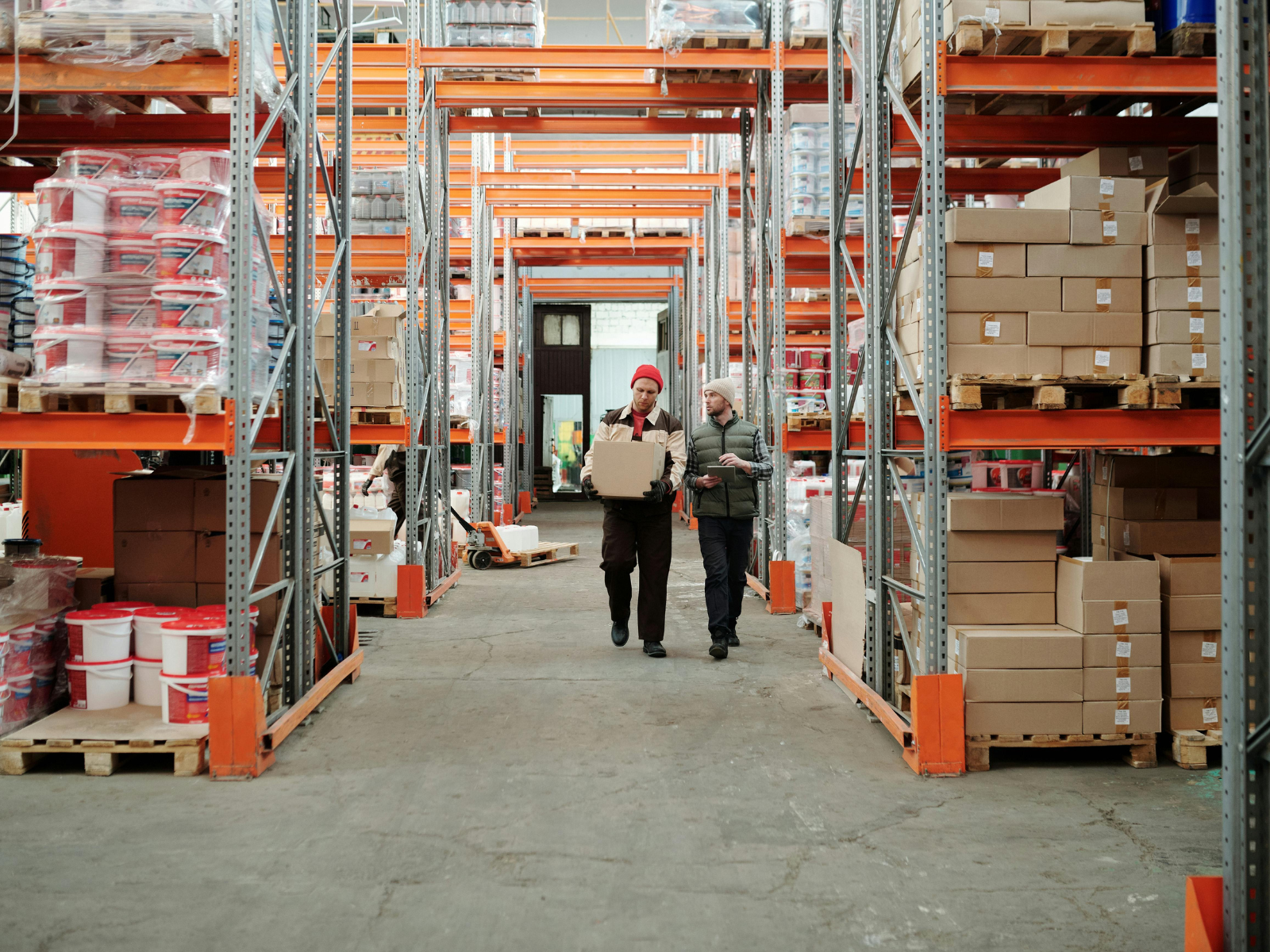
In-house vs. 3PL Fulfilment: Which is Best for Your E-commerce Business?
As an e-commerce business owner, one of the most crucial decisions you'll face is choosing the right fulfilment strategy. The choice between in-house fulfilment and third-party logistics (3PL) can significantly impact your operations, costs, and customer satisfaction. To help you make an informed decision, let's explore the pros and cons of both options.
In-house Fulfilment: Pros and Cons
Pros of In-house Fulfilment
Complete Control Over Operations
When you manage fulfilment in-house, you have full control over your warehouse operations. This allows you to implement processes and efficiencies tailored to your specific needs. You can adjust operations in real-time, ensuring that your business stays agile and responsive to changes in demand.
Scalability with Volume
As your business grows, handling fulfilment in-house can become more feasible. Higher order volumes can offset the costs associated with maintaining a warehouse, making in-house fulfillment a cost-effective solution as your business scales.
Cost Efficiency for High Volumes
If your business consistently handles a large number of orders, in-house fulfllment can be more cost-effective. Unlike 3PL providers, who charge per item picked and packed, in-house operations allow you to manage these costs more flexibly.
Cons of In-house Fulfillment
High Upfront Investment
Setting up an in-house fulfilment centre requires a significant upfront investment. You'll need to secure a warehouse, purchase equipment, and hire staff—all of which can strain your financial resources, especially if you're just starting out.
Management and Expertise Requirements
Running a warehouse is complex and time-consuming. If you lack expertise in warehousing, you may struggle to achieve the efficiencies needed to keep costs down. Additionally, you'll need to manage the hiring process, staff training, and day-to-day operations, all of which can be overwhelming for a small team.
Time-Consuming Operations
Managing an in-house fulfilment operation can take up a significant amount of your time, especially in the early stages. This can divert your attention away from other crucial areas of your business, such as marketing, product development, and customer service.
3PL Fulfilment: Pros and Cons
Pros of 3PL Fulfilment
No Initial Investment Required
Partnering with a 3PL provider eliminates the need for upfront investments in warehouse space, equipment, and staff. This makes it an attractive option for businesses that want to scale quickly without the financial burden of setting up their own operations.
Flexibility for Low Volumes
3PL providers allow you to start with low order volumes, making it easier to manage fulfilment as your business grows. You can scale your fulfilment needs up or down without worrying about fixed costs associated with in-house operations.
Focus on Core Business Activities
By outsourcing fulfilment to a 3PL, you free up valuable time and resources to focus on activities that drive growth, such as marketing, product development, and customer engagement. The 3PL provider handles picking, packing, and shipping, allowing you to concentrate on strategic priorities.
Negotiated Shipping Rates
Established 3PL providers often have strong relationships with carriers, allowing them to secure lower shipping rates. These savings can be passed on to your business, reducing your overall fulfilment costs.
Cons of 3PL Fulfilment
Potential Delays in Stocking Inventory
One drawback of working with a 3PL is the potential for delays in stocking inventory. Many 3PLs operate with service level agreements (SLAs) that specify a 72-hour window for stocking new inventory. If you're in a rush to restock after running out, this delay can impact your ability to meet customer demand.
Increasing Costs with Higher Volumes
While 3PLs offer cost savings for smaller operations, the cost per item picked and packed can add up as your order volumes increase. As your business grows, you'll need to carefully evaluate whether the per-item fees remain cost-effective compared to managing fulfilment in-house.
Which Fulfilment Strategy is Best for Your E-commerce Business?
The decision between in-house fulfilment and 3PL ultimately depends on your business's size, growth trajectory, and resources. In-house fulfilment offers greater control and potential cost savings for large volumes, but requires significant investment and management expertise. On the other hand, 3PL fulfilment provides flexibility and scalability with minimal upfront costs, making it ideal for businesses focused on growth and efficiency.
Consider your current needs, long-term goals, and the resources available to you when deciding which fulfilment strategy will best support your e-commerce business. By weighing the pros and cons of each option, you can choose a fulfilment strategy that aligns with your business objectives and drives success.